


FUNCTIONAL TRAINING: FAST AND EFFICIENT
Work, kids, traffic, stress. Life in a big city is not easy. The routine, which demands more and more from individuals, demands healthy habits. Without them, it’s even harder to keep up with all your daily activities without reaching an uncomfortable level of burnout.
It is in this context that a practice called “functional training” has been gaining more and more followers. The activity, which proposes to work the muscles in an integrated way, is focused on natural body movements that improve the strength, resistance, balance, cardiorespiratory capacity and agility of the practitioner. The result is a more defined and elongated physique, unlike bodybuilding, which leaves muscles hypertrophied.
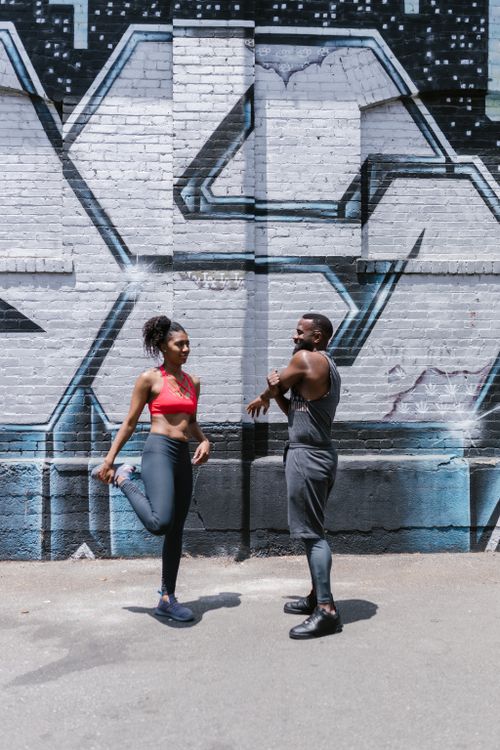
Functional training was applied to high-performance athletes in the search for the improvement of specific skills, but this reality was adapted for the common sportsman. The practice, as it requires little time and provides slimmer results, is highly sought after by women.
Functional training is applied to real-life athletes, ordinary people who need good physical conditioning for daily life activities. Because working, taking care of the house, the children, studying and still looking good, you have to be an athlete and be prepared.
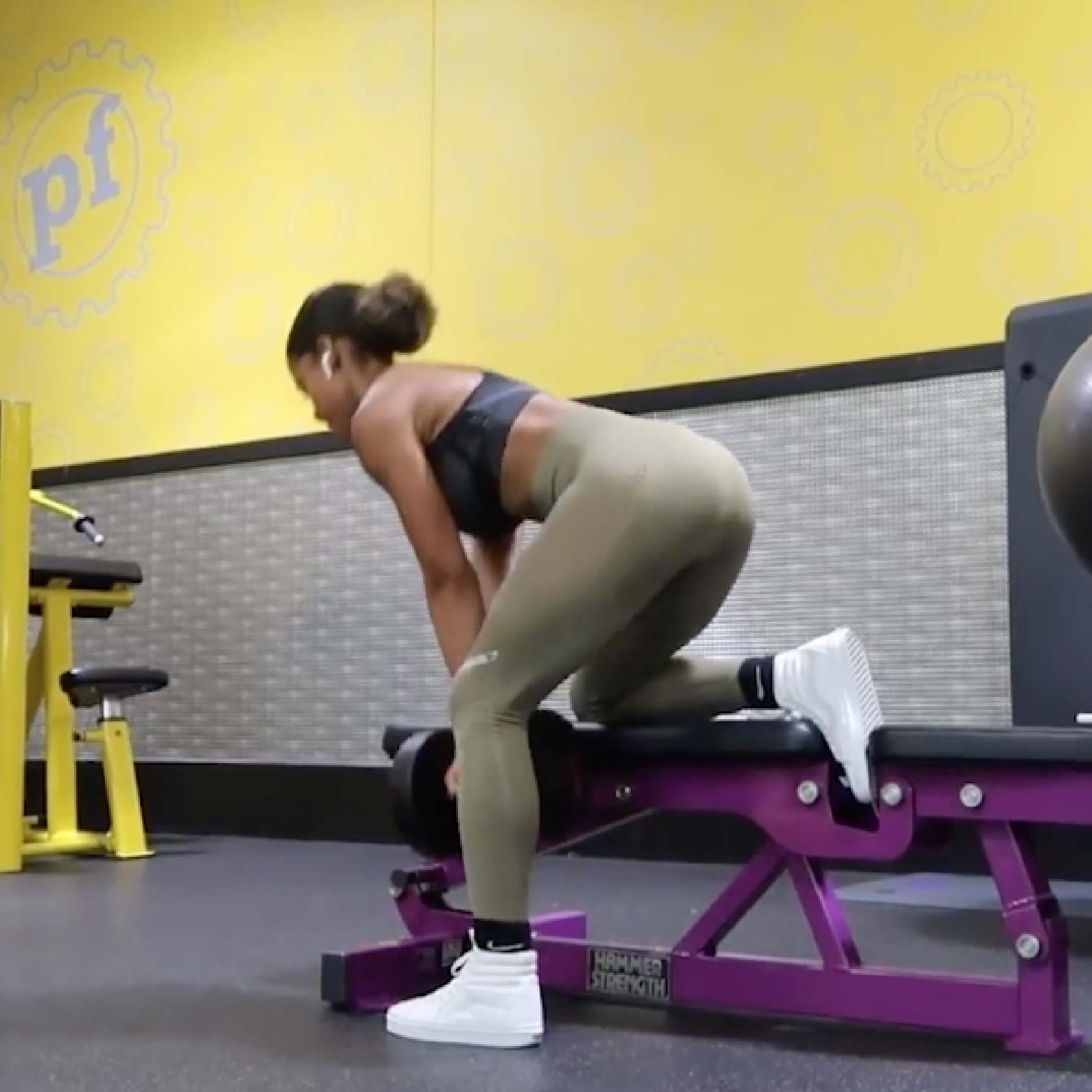
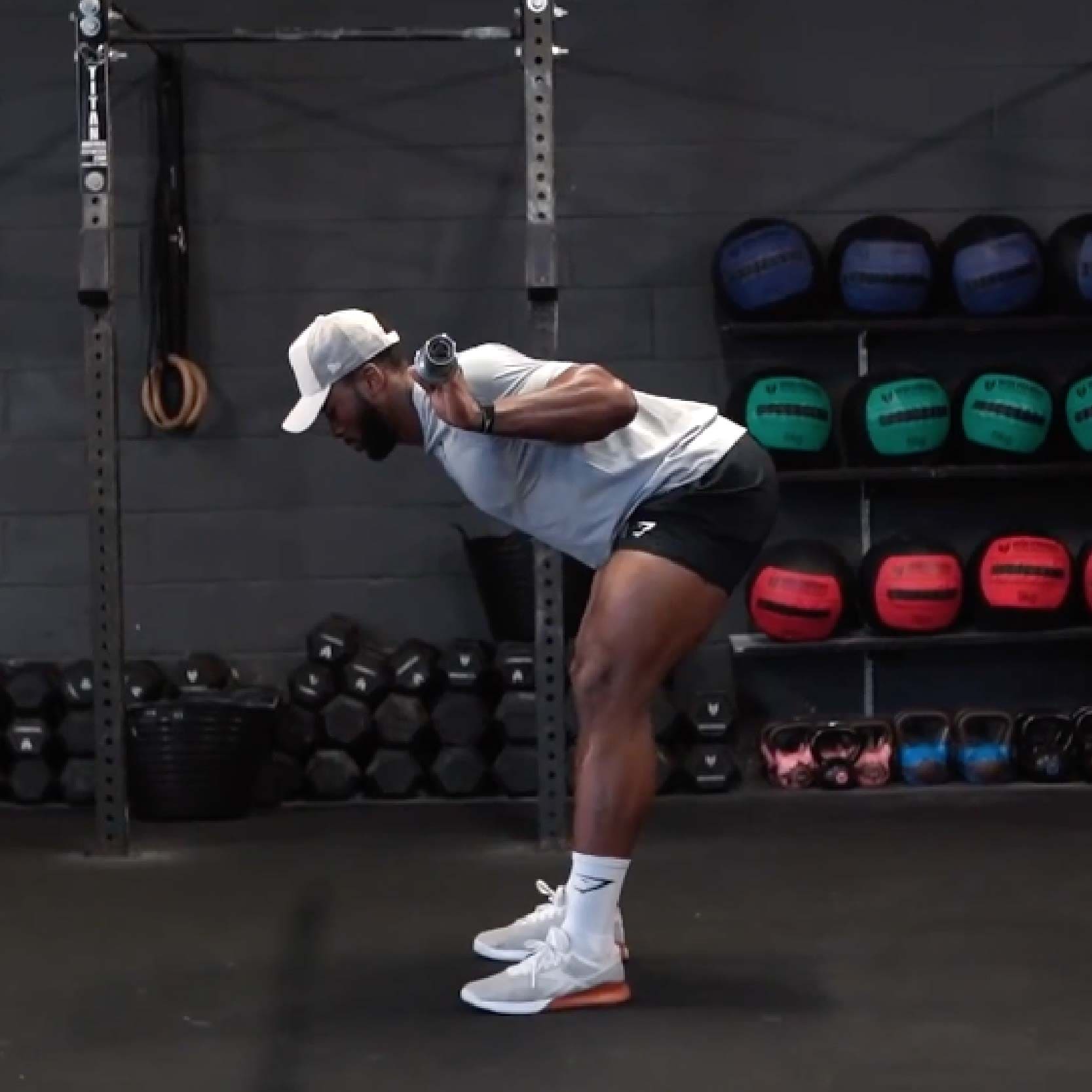
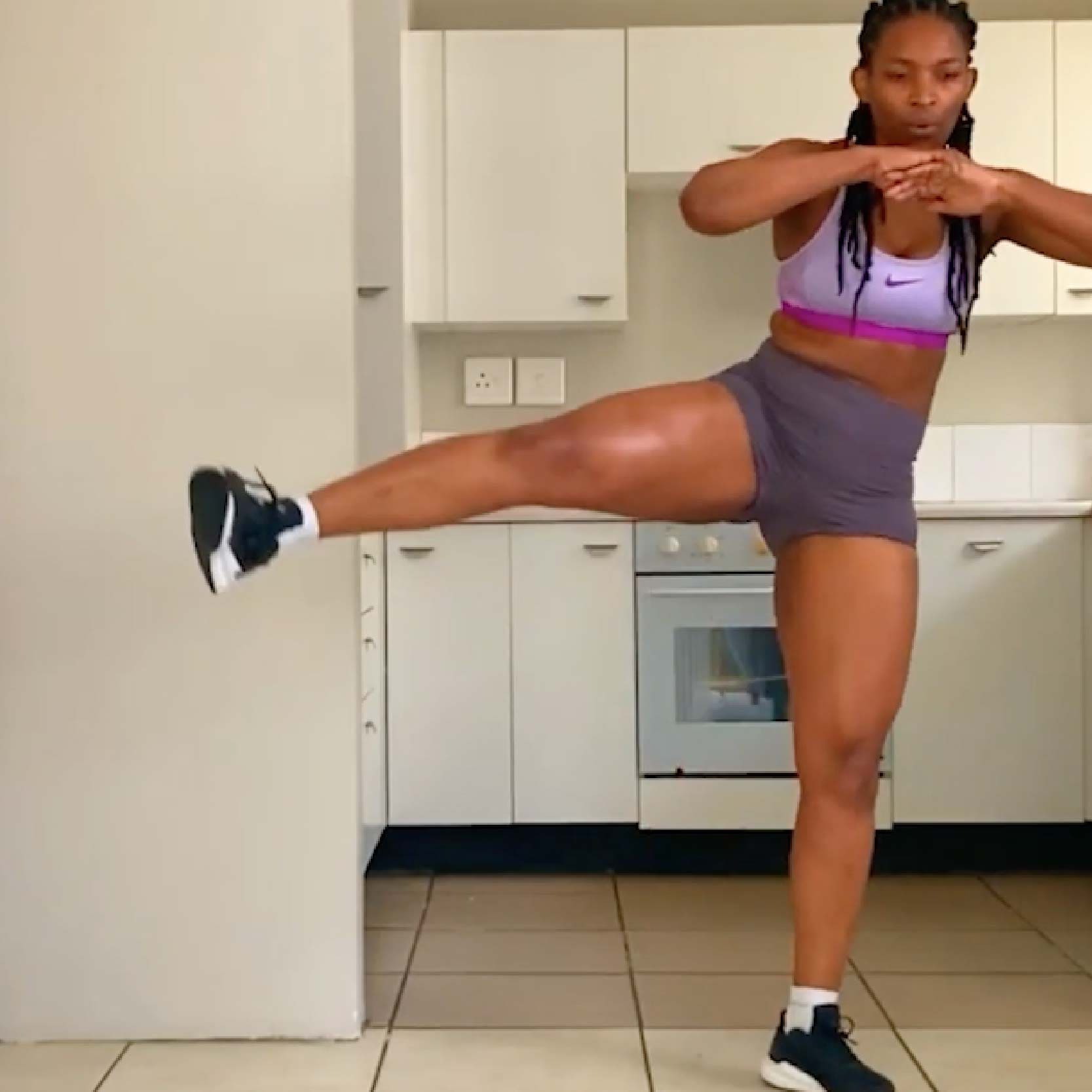
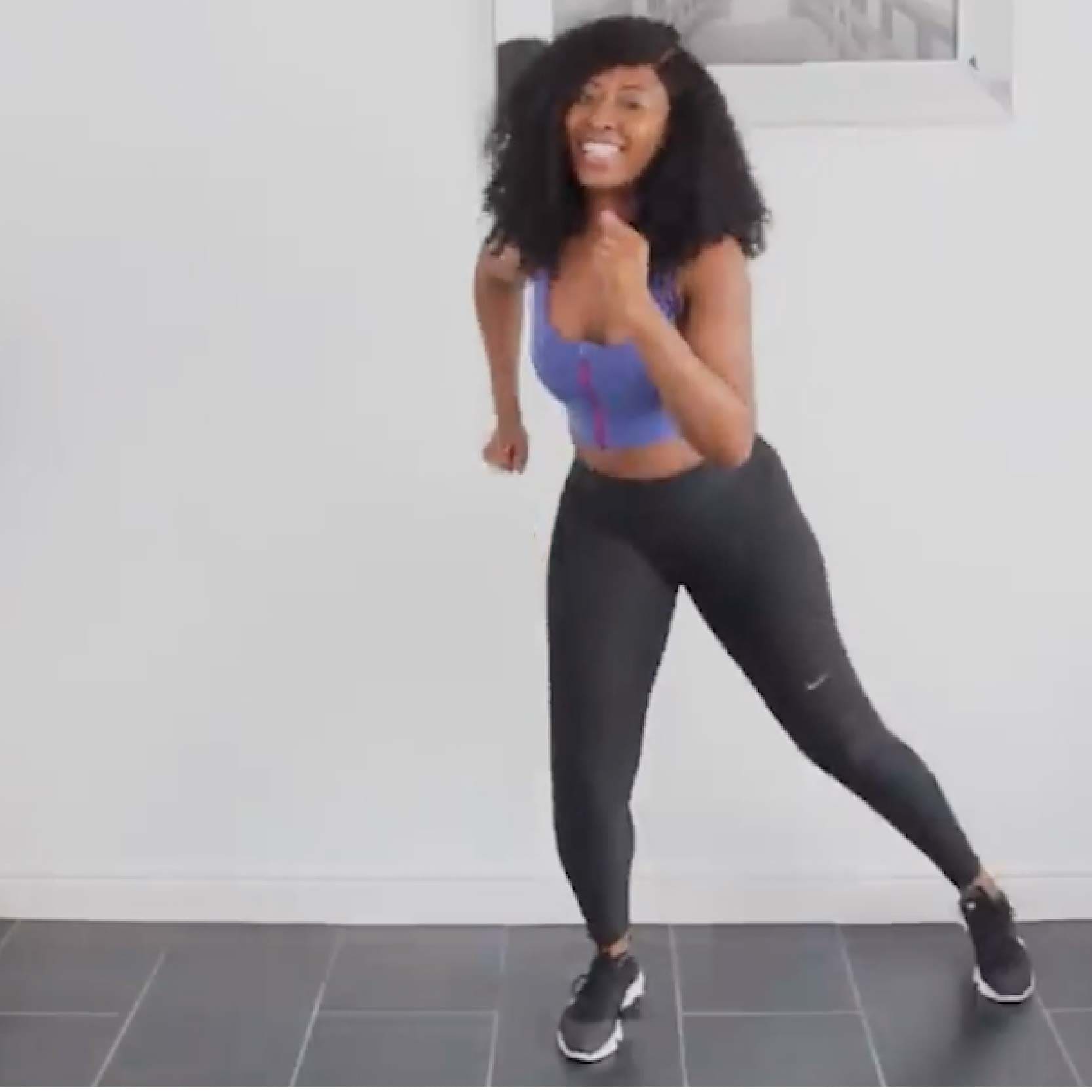
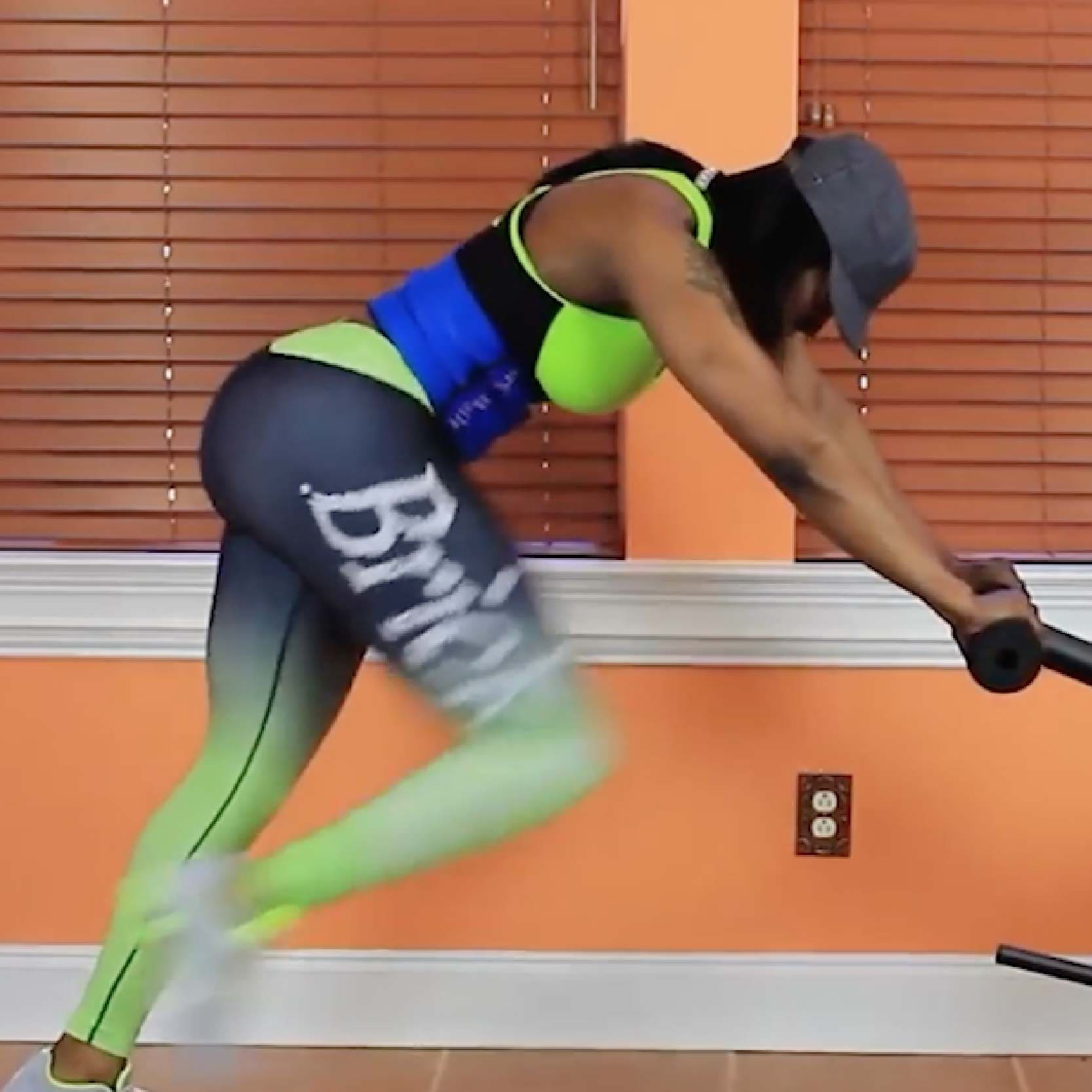
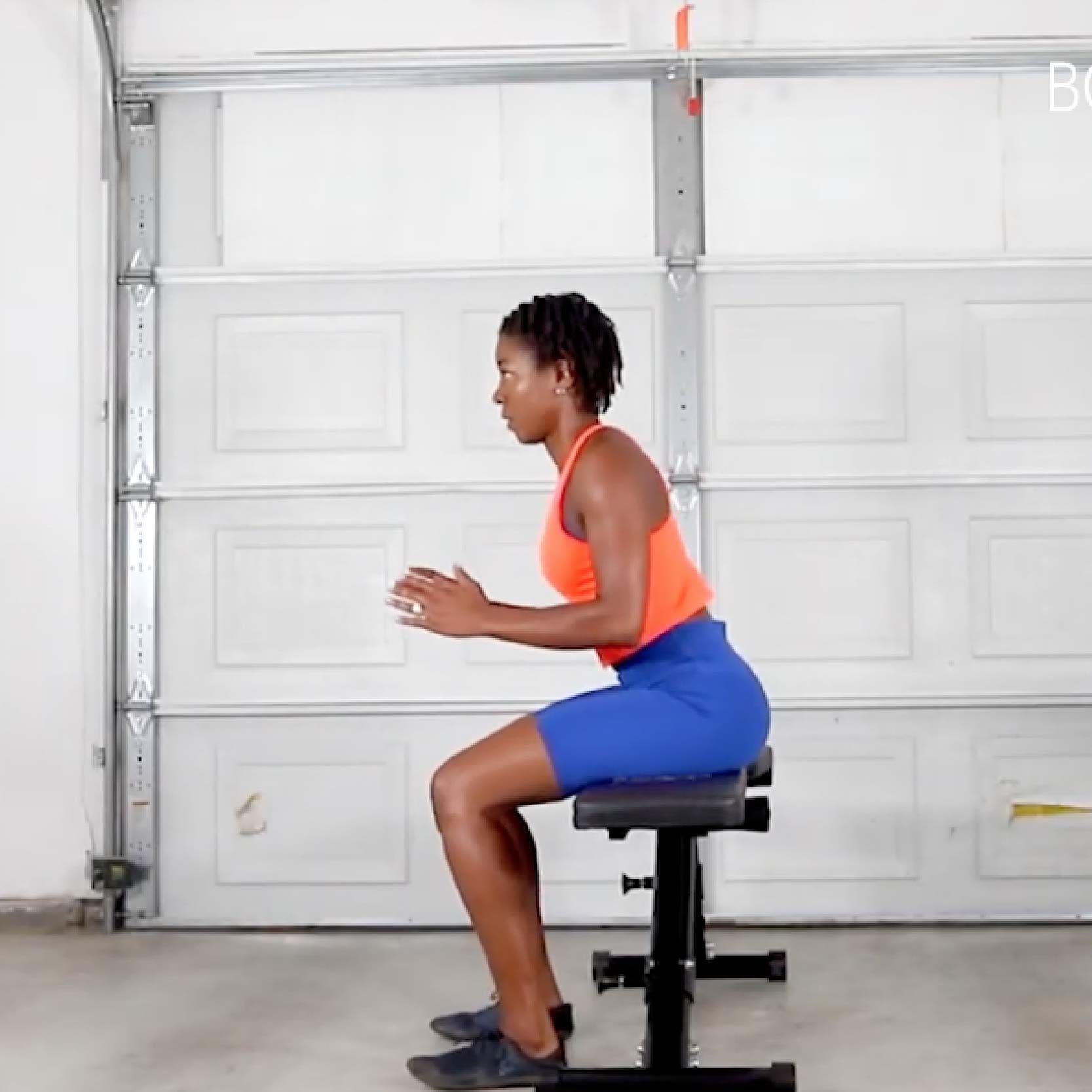
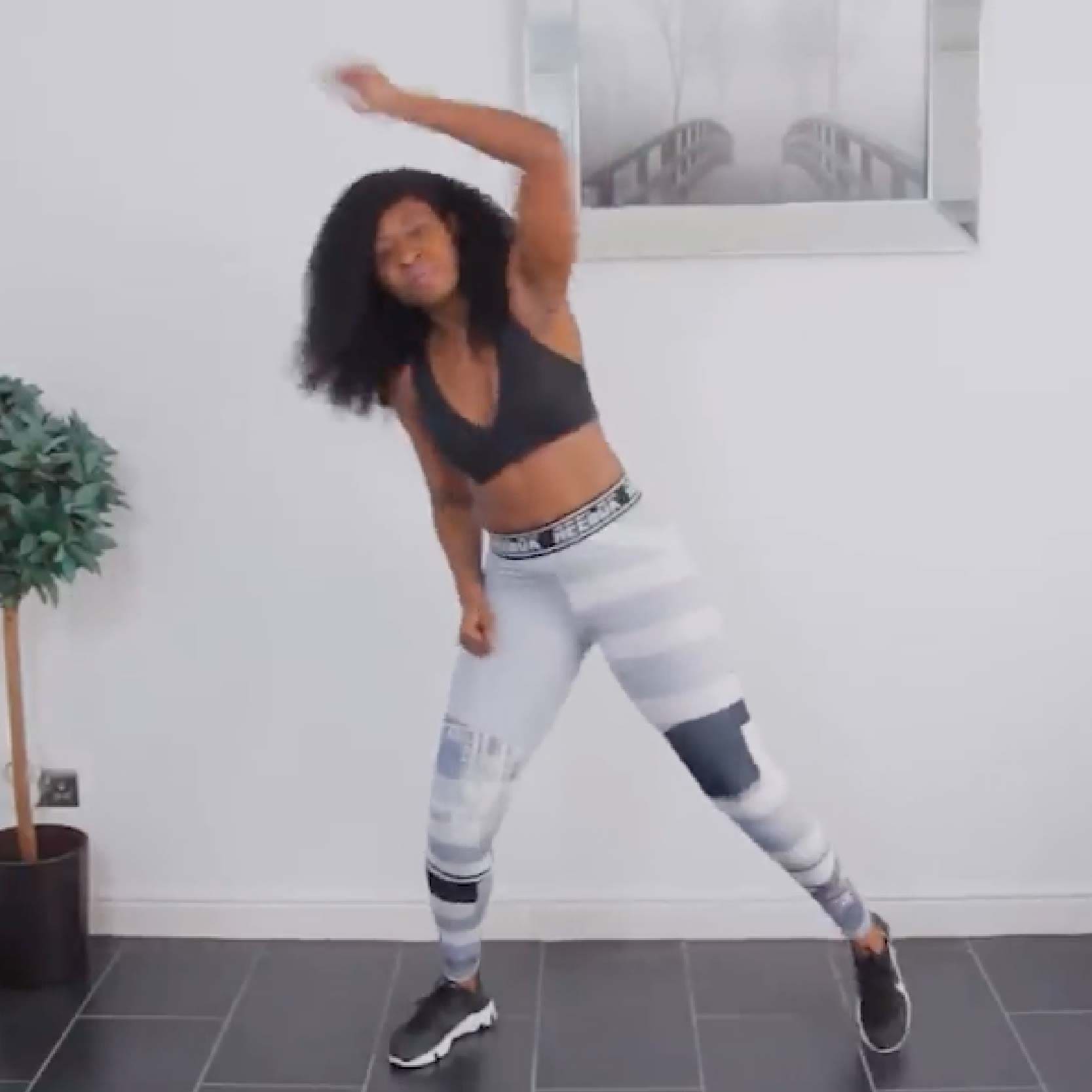
In functional training, there is a very wide variety of devices and exercises using only body weight, which simulate sporting gestures of daily life, making the activity different and dynamic every day.

For those who have a busy life, functional training can be fitted into their routine: each workout lasts a maximum of 50 minutes and gyms usually offer classes at different times.
This methodology is a good option for all those people who don’t have a lot of time and need to optimize results with flexible schedules. Many people use, for example, the lunch period to train or the break between work and college, since in 50 minutes they manage to do a complete workout, working the body as a whole.
The exercises, by simulating daily gestures, strengthen regions where the musculature is more prone to injuries due to some repetitive effort.


Sorry, the comment form is closed at this time.